
LEARN WITH US

Learn from Home
From foundations to advanced, choose an online education experience that will build your skills or enrich your life with your animal, all using effective positive reinforcement.
ON-DEMAND COURSES
Start Anytime
Self-Paced
Individualized Instruction (Most Courses)
Access for A Year
Real-Time Classes
Meet Weekly on Zoom
Start & End On Specific Dates
Live Training, Coaching and Feedback
Robust Classmate Engagement
Access for A Year
EXPERT Videos
100s of Videos Covering Every Situation
Skills for People Working with Dogs, Horses, and Other Animals
Build Your Personalized Resource Library
Buy or Rent

Learn In Person

50+ Courses and In-Person Experiences Over Three Days
World-Class Speakers
Explore the Latest Techniques
Connect With Fellow Trainers and Enthusiasts
Bring Your Dog
March 14 - 16, 2025

Located an Hour From Seattle, WA
Weeklong Experiences, Weekend Workshops and Seminars
Taught by Ken Ramirez and Special Guests
For Trainers of Any Species
Hands-On Skill-Building With Resident Animals
Classes Available April - October
Become a Karen Pryor Academy
Certified Dog Trainer

Serving both experienced and aspiring trainers. Small class sizes, top-notch faculty, worldwide availability, huge and strong alumni network and widely considered the gold standard of canine trainer education and certification.

The most up-to-date behavior science and modern training and teaching practices for dog training, behavior change, client teaching, problem-solving, and business management.

Four different class formats to choose from including fully online formats and blended in-person with online. Find the right fit for you and your dog, upskill your training, turn your passion into your profession, and grow with us.
or Apply Today
Get Started
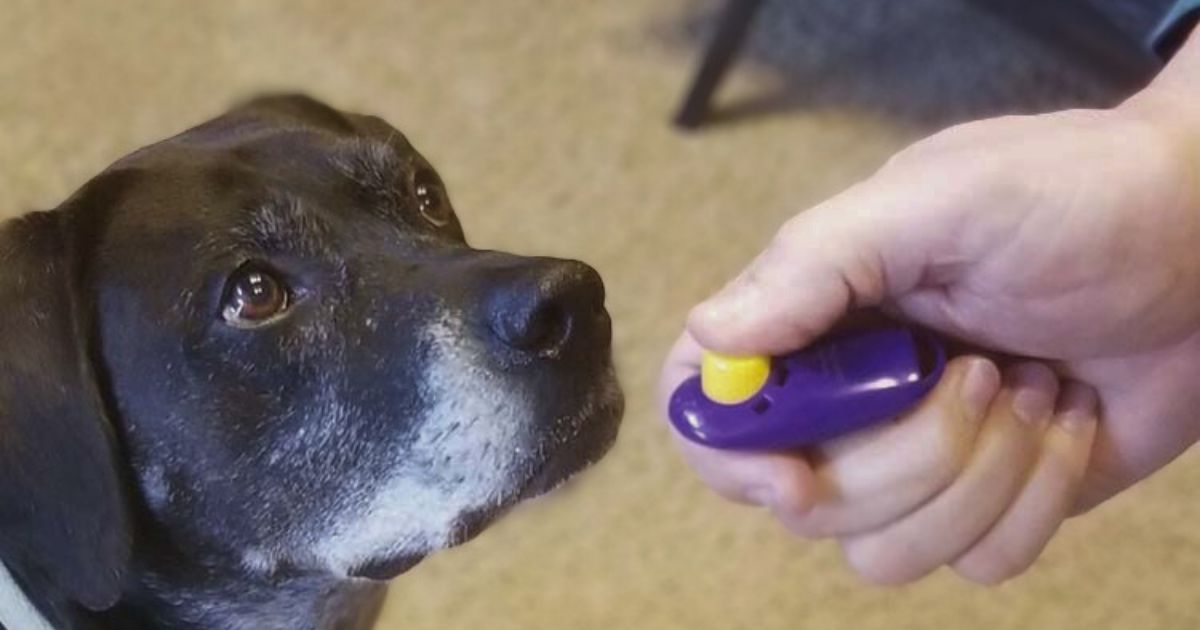
Learn the basics of clicker training and how it can help you raise a great pet.


RESOURCES

SIGN UP FOR
OUR NEWSLETTER

FIND A TRAINER
Need help solving your dog’s problem behavior? Whether online or in-person, we've got you covered from nose to tail. By choosing a Karen Pryor Academy Certified Training Partner (KPA CTP), you can be certain that you have a skilled dog training instructor by your side every step of the way.

ONLINE LIBRARY
Drawing from decades of expertise by Karen Pryor, Ken Ramirez, and leading industry experts, our comprehensive library offers an extensive collection of clicker training resources, all available online.

Continuing Education Units
Karen Pryor Clicker Training offerings are approved for a variety of Continuing Education Units (CEUs) for professionals looking to expand their knowledge and enhance their training skills.
These offerings are designed to provide valuable insights and practical techniques in positive reinforcement and animal behavior training.

Free, Monthly Livestream
Live from The Ranch with Ken Ramirez is a free, interactive series streaming monthly on YouTube. Each episode highlights a special guest who shares—and often demonstrates—a unique topic, while Ken provides expert insights and training demonstrations with resident animals.

YouTube Channel
Dive deep into a variety of subjects and watch training concepts come to life through demonstrations on our KPCT YouTube channel.